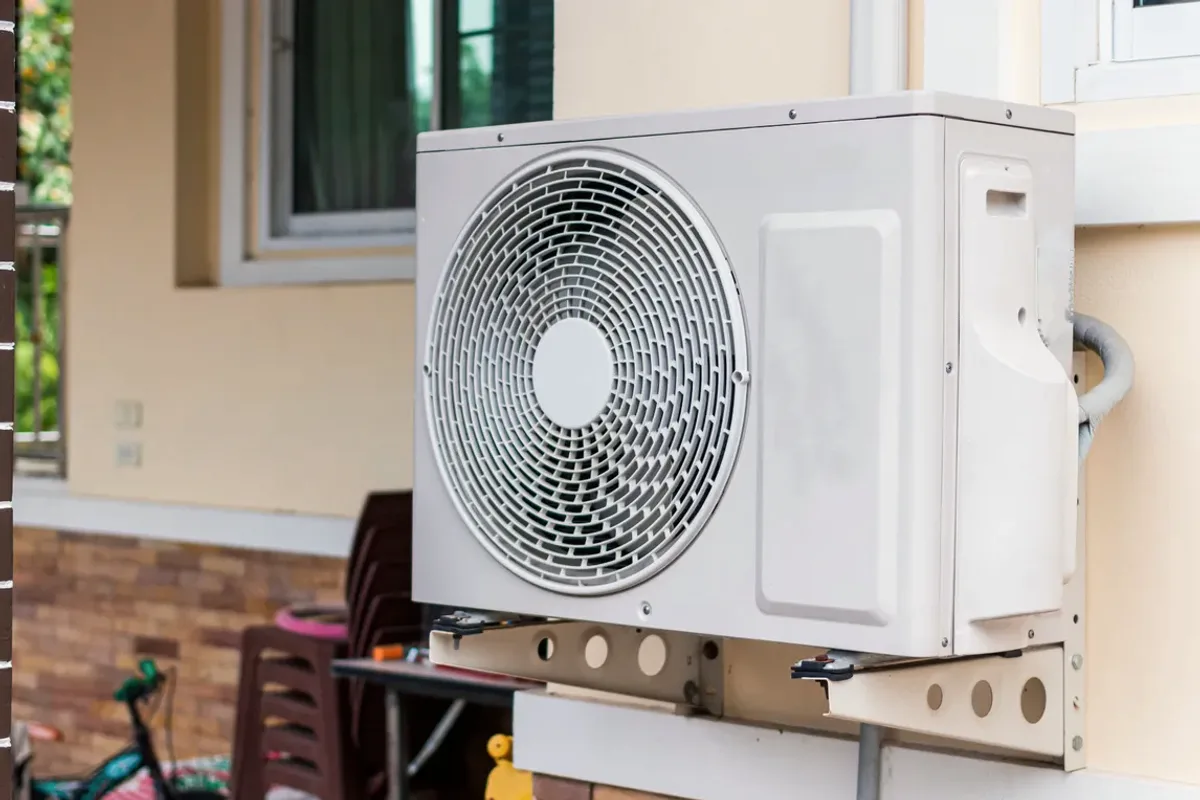
Request heat pump repair & installation for a property in Huron County. Include the equipment, the problem or planned work, and your location so the request can be reviewed.
What information helps compare heat-pump repair with replacement or an oil-heat conversion?
Heat-pump work may involve repairing an existing system, replacing it, or assessing a change from an oil-fired furnace. The right scope depends on whether the system is ducted or ductless, the property's heating load, the condition of existing equipment, and the electrical and control arrangements. If oil heat is being replaced, the existing furnace and related equipment also affect the conversion plan. Refrigerant type matters when considering repair, since availability can affect the practical options for an older unit.
Document the heat pump's model, refrigerant, fault history, and whether it serves ductwork or individual indoor units. For a proposed conversion, review the property's heating load, existing distribution, electrical supply, and the oil equipment included in the project. These findings help separate a repair decision from a replacement design and identify constraints that affect system selection.
Heat-pump fault diagnosis, including refrigerant-related repair considerations.
Oil-furnace-to-heat-pump conversion assessment and existing equipment scope.
Heating-load, cold-climate, ducted, and ductless equipment selection.
Assessment and Scope
Questions for the Proposed Work
01
Diagnose the existing heat pump first
A repair assessment should identify the failed component and record the system's refrigerant type, configuration, and operating history. A limited electrical or control fault is different from a refrigerant-side failure or major component damage. For older equipment using a phased-out refrigerant, the service professional should explain how refrigerant availability affects the repair options. That information helps compare the diagnosed repair with replacement without assuming that age alone determines the decision.
02
Assess the property before an oil-heat conversion
Replacing an oil furnace with a heat pump requires a design based on the property's heating load, not just the existing furnace size. Review the distribution method, available electrical supply, and whether the proposed system is ducted or ductless. The condition and intended disposition of the existing oil equipment also define project scope. These details show what needs to change and whether supplemental or retained heating equipment is part of the proposed design.
03
Compare equipment and distribution choices
Standard and cold-climate models have different operating characteristics, while ducted and ductless systems distribute heat differently. The equipment selection should be compared with the calculated load and the property's existing layout. If the project includes both heating and cooling, controls and indoor components must be compatible with the selected arrangement. A clear proposal distinguishes repair work, replacement equipment, and conversion tasks so the homeowner can compare the actual scope of each option.
Compare the next step
Require each proposal to state the building loads and the heating-duty strategy it assumes. Ask how the selected equipment output compares with those loads and what backup operation is expected. Compare electrical, duct, control, commissioning, and maintenance requirements as part of the system rather than separate headline specifications.
Cold-climate capability does not prove that one model covers every home heating load. Ask how the selected equipment and supplementary heat meet the actual design requirements.