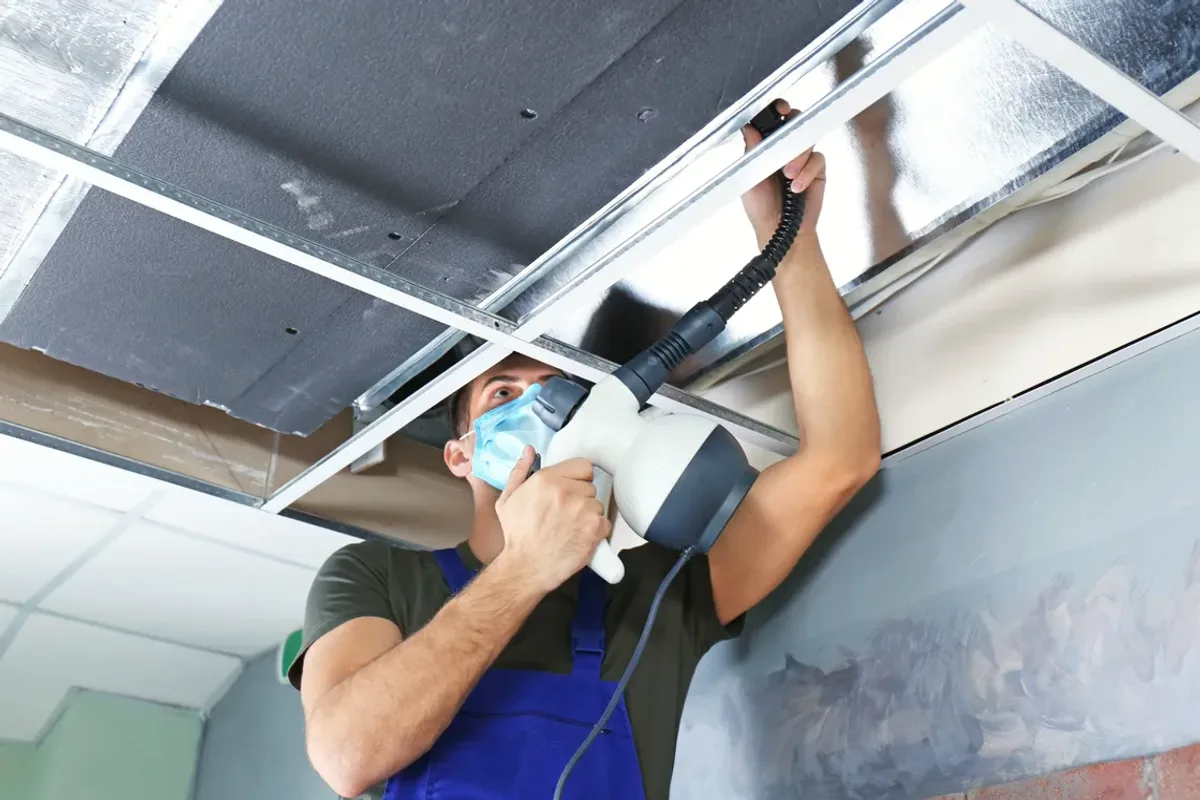
Request duct cleaning for a property in Huron County. Include the equipment, the problem or planned work, and your location so the request can be reviewed.
What should be inspected to decide whether duct cleaning is appropriate?
Duct cleaning is most relevant when inspection identifies accumulated dust or debris, or when renovation has introduced material into the duct system. The condition and layout of the ducts matter, especially where older runs include narrow returns or difficult access. A cleaning scope should identify which supply and return sections are accessible and how the work will contain removed material. Cleaning is not a substitute for diagnosing airflow problems, equipment faults, or moisture sources, and findings should guide whether the work is appropriate.
Ask which duct sections show visible accumulation, whether renovation or another event introduced debris, and how the system is constructed. Inspection should note access points, returns, duct condition, and nearby equipment that needs protection. Those findings help define the areas to clean and distinguish a cleaning need from an airflow, equipment, or moisture problem requiring separate diagnosis.
Inspection of accumulated dust and renovation debris in ductwork.
Supply, return, access, containment, and connected-equipment protection.
Distinguishing cleaning needs from airflow, equipment, or moisture concerns.
Assessment and Scope
Questions for the Proposed Work
01
Use inspection findings to set the cleaning scope
Visible deposits, loose debris, or material associated with renovation can help establish whether cleaning is warranted. The inspection should identify affected supply and return sections instead of assuming every duct run has the same condition. In older systems, returns and bends may be difficult to access, which can change what is included. A clear scope records the sections inspected and explains any areas that cannot be reached.
02
Protect ductwork and connected equipment
Cleaning methods should suit the duct material, its condition, and the type of debris present. Access points and containment help direct removed material into collection equipment rather than dispersing it through the occupied space. The furnace or air conditioner connected to the ducts also needs appropriate protection during the work. Inspection findings determine how to approach fragile, damaged, or inaccessible sections without treating every system as identical.
03
Separate duct cleaning from other concerns
Dust at a register or uneven airflow does not, on its own, show that the full duct system needs cleaning. A restricted filter, closed or damaged duct, equipment fault, or moisture source may require a different assessment. Cleaning should be based on observed accumulation and the homeowner's concern, not an automatic schedule. If debris followed renovation, identify the affected areas and consider whether construction work is complete before setting the cleaning scope.
Compare the next step
Ask each provider to inspect or explain the same contamination concern. Compare the affected system components, access plan, property protection, completion evidence, and total written charge. Clarify proposed treatments separately and request their purpose before allowing an optional chemical treatment to disappear inside a bundled price.
Routine cleaning is not automatically necessary and does not guarantee health or energy benefits. Resolve moisture sources and assess damaged materials rather than treating cleaning as the only remedy.