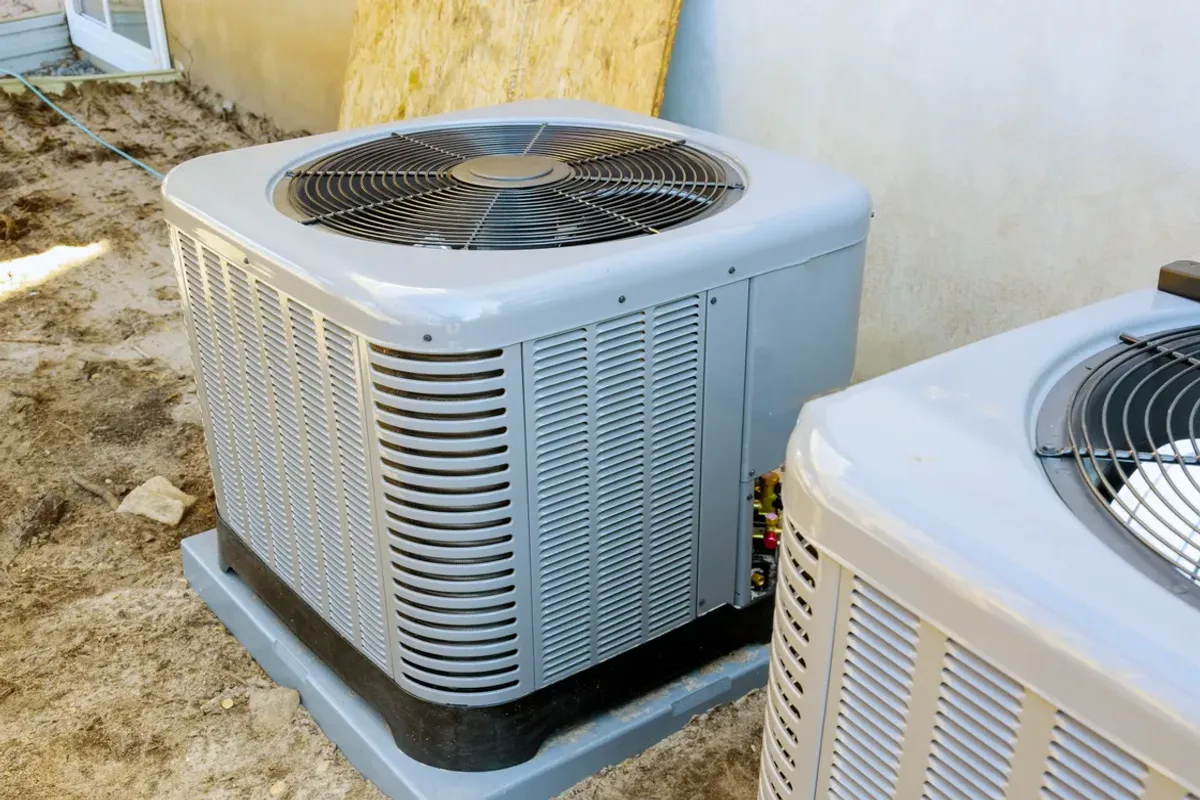
Request ac repair for a property in Huron County. Include the equipment, the problem or planned work, and your location so the request can be reviewed.
How can a homeowner tell whether weak cooling is a minor fault or a larger AC problem?
When cooling weakens, the cause may be a small electrical component, an airflow problem, or a major part such as a compressor. The equipment type matters: central air conditioners, heat pumps, and mini-splits have different layouts and controls. If a room remains humid, that observation can help assess whether the system is cooling and dehumidifying as intended, but it does not identify a failed part by itself. Diagnosis should establish the fault before repair or replacement is considered.
Note the equipment type, symptoms, and when cooling changes, including whether the indoor unit runs and whether the outdoor equipment starts. Inspection and electrical testing can distinguish a capacitor or contactor fault from a compressor problem or another cause. The confirmed defect, equipment condition, and repair history inform a repair-versus-replacement comparison without relying on age alone.
Repair scope for central AC, heat pumps, and mini-splits.
Capacitor and contactor faults compared with compressor failures.
Cooling and humidity observations used in diagnosis and replacement comparisons.
Assessment and Scope
Questions for the Proposed Work
01
Check operating conditions before naming a fault
Cooling complaints can result from different conditions, so observations such as weak airflow, unusual cycling, or a system that runs without cooling help direct inspection. Central systems, heat pumps, and mini-splits each have distinct indoor and outdoor components. If a room remains humid, that may be relevant to system operation or room conditions, but it should be assessed alongside cooling output and equipment settings rather than treated as proof of a particular failure.
02
Distinguish a component repair from compressor work
A failed capacitor or contactor can interrupt operation while leaving the rest of the system serviceable. A compressor fault involves a more substantial component and can change the repair decision considerably. Electrical tests and equipment inspection establish which condition is present; replacing a part based only on a symptom risks missing the actual cause. Refrigerant-side work also requires equipment-specific diagnosis by a qualified service professional.
03
Use findings to compare repair and replacement
Repair is a distinct option when inspection identifies a limited fault and the remaining equipment is in suitable condition. Replacement merits comparison when significant components are damaged, faults recur, or the system's condition makes another repair difficult to justify. The comparison should identify the failed part, other observed concerns, and compatibility with the existing indoor equipment. This gives the homeowner a basis to weigh the confirmed repair against a complete system change.
Compare the next step
Use the same cooling complaint and equipment information when requesting a second proposal. Ask why the scopes differ and whether either assumes additional work after diagnosis. A repair, a matched-system replacement, and a distribution improvement solve different problems and should not be compared as interchangeable equipment prices.
Do not open electrical panels or handle refrigerant. If ice, water near electrical equipment, or abnormal operation is present, stop using the affected system and request an assessment.